
Tiger Nuts (Ofio): The Lactose-Free ‘Milk’ Hiding in Plain Sight
For many, the quest for the perfect dairy alternative leads down an expensive aisle filled with almond, soy, and oat milks. Yet, in many parts of West Africa, specifically Nigeria, a superior alternative has been sitting in woven baskets on street corners for centuries. Known as Ofio in Yoruba, Aya in Hausa, and Imumu in Igbo, the tiger nut is not actually a nut at all—it is a small, wrinkled tuber with a nutritional profile that rivals the most expensive “superfoods” on the global market.
As more people move toward plant-based diets or discover lactose sensitivities, the tiger nut is finally stepping out of its role as a humble street snack and into the spotlight as a premier source of creamy, nutrient-dense, lactose-free milk.
The Misunderstood Tuber
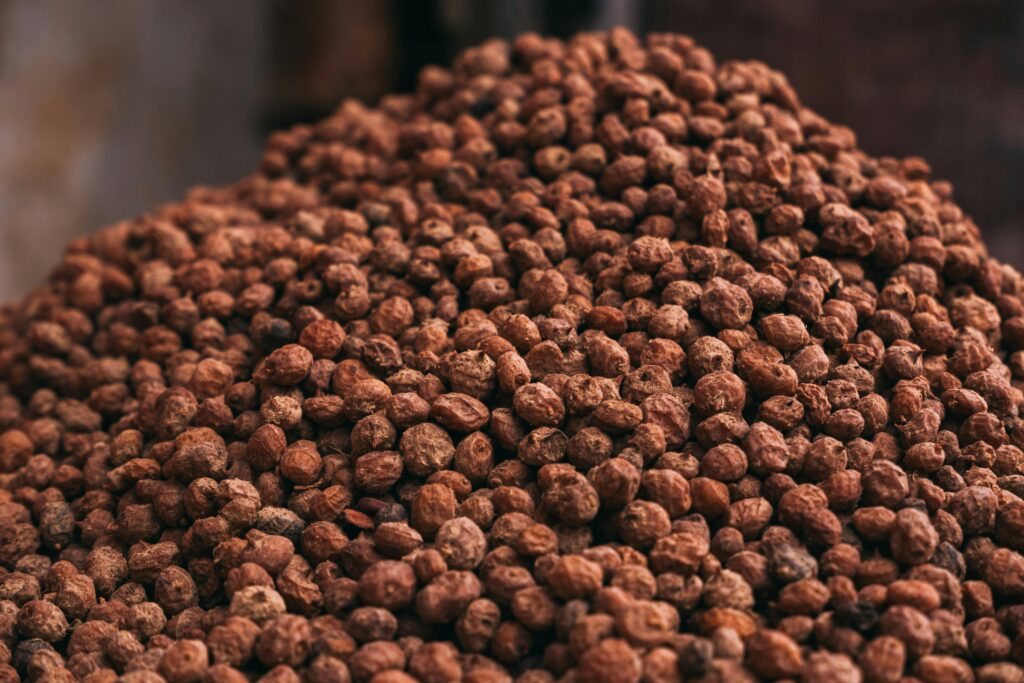
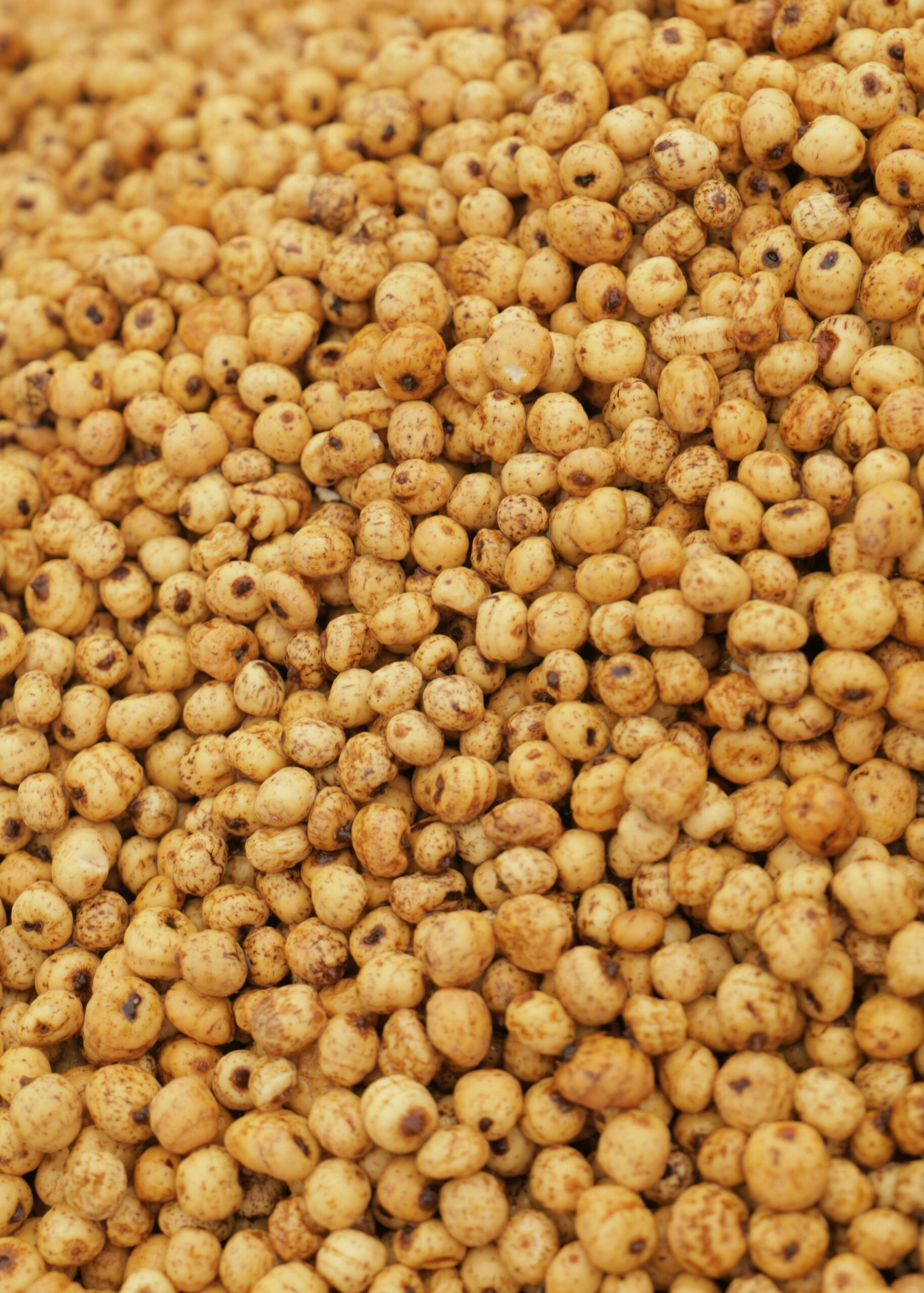
Despite the name, tiger nuts (Cyperus esculentus) are the edible tubers of the yellow nutsedge plant. They earned their name from the striped exterior that resembles a tiger’s coat when dried. In Nigeria, they are a cultural staple, often sold by itinerant vendors who serve them fresh, crunchy, and slightly sweet.
Historically, tiger nuts have been a part of the human diet since the Stone Age. Archaeological evidence shows they were cultivated in ancient Egypt, where they were prized for their healing properties and even buried in the tombs of Pharaohs. In West Africa, they have transitioned from a survival crop to a cornerstone of local commerce and traditional nutrition.
Why It’s the Ultimate Milk Alternative

The modern obsession with almond milk often overlooks two critical issues: nut allergies and environmental impact. Because tiger nuts are tubers, they are completely nut-free, making Ofio milk safe for those with tree nut allergies. Furthermore, unlike almond production, which requires staggering amounts of water, tiger nuts are resilient, hardy crops that thrive in varied climates with much less environmental strain.
When processed into milk—often referred to as Kunnu Aya in Northern Nigeria or Horchata de Chufa in Spain—the result is a liquid that is naturally creamy, slightly nutty, and carries a gentle sweetness that requires no added refined sugars.
A Nutritional Powerhouse
Tiger nuts are remarkably dense in nutrients that support modern health needs. Here is why they deserve a permanent spot in your pantry:
1. Digestive Health and Prebiotics
One of the most significant benefits of Ofio is its high content of resistant starch. This acts as a prebiotic, meaning it doesn’t get digested in the small intestine but instead travels to the colon to feed the “good” bacteria in your gut. A healthy gut microbiome is linked to better immunity, improved mood, and efficient weight management.
2. Heart-Healthy Fats
Tiger nut milk contains a lipid profile similar to olive oil. It is rich in monounsaturated fatty acids (MUFAs), particularly oleic acid, which helps lower “bad” LDL cholesterol and supports cardiovascular health.
3. Rich in Essential Minerals
Ofio is a natural source of magnesium, potassium, and calcium. Magnesium is essential for over 300 biochemical reactions in the body, including muscle function and nervous system regulation, while potassium helps maintain healthy blood pressure levels.
4. The Lactose-Free Advantage
For the millions of people globally who suffer from lactose intolerance, Ofio milk is a revelation. It provides the mouthfeel of dairy without the gastrointestinal distress. It is naturally free of cholesterol and gluten, making it an inclusive choice for almost any dietary restriction.
From Tuber to Table: How to Make Ofio Milk
The beauty of Ofio milk lies in its simplicity. You don’t need a factory to produce high-quality, fresh milk; you only need a blender and a bit of patience.
Ingredients:
- 2 cups of dried or fresh tiger nuts
- 4-5 cups of filtered water
- Optional: A pinch of sea salt, a dash of cinnamon, or a few dates for extra sweetness.
Instructions:
- Soak: If using dried tiger nuts, soak them in water for 12 to 24 hours. This softens the tough outer skin and makes blending easier. Keep them in the refrigerator during this time to prevent fermentation.
- Blend: Drain the soaking water and rinse the nuts thoroughly. Place them in a high-speed blender with the 4-5 cups of fresh water. Blend on high until the mixture looks milky and the nuts are finely ground.
- Strain: Use a nut milk bag or a fine cheesecloth to strain the liquid into a jar. Squeeze firmly to extract every drop of the “milk.”
- Store: Pour the milk into a glass bottle. It stays fresh in the refrigerator for about 3 to 5 days. Remember to shake it before use, as natural separation is normal.
Pro Tip: Don’t throw away the leftover pulp! It is high in fiber and can be dried and ground into a gluten-free flour for baking or added to smoothies for a fiber boost.
Beyond the Glass: Culinary Uses
Ofio milk is incredibly versatile. Its natural creaminess makes it an excellent base for:
- Coffee and Tea: It doesn’t curdle as easily as some other plant milks when heated.
- Smoothies: It adds a rich, velvety texture without the need for yogurt.
- Baking: Use it as a 1:1 replacement for dairy milk in cakes, muffins, and pancakes.
- Puddings: Because of its starch content, it thickens beautifully when simmered, making it perfect for dairy-free custards.
The Sustainability Factor
In an era where we must be conscious of our “food footprint,” tiger nuts represent a sustainable future. They require fewer pesticides and less water than many commercial crops. By choosing Ofio milk, you are supporting a tradition of local farming and consuming a product that is as kind to the earth as it is to your body.
Conclusion
Tiger nuts are a testament to the wisdom of traditional diets. In the rush to find the next “superfood,” we often overlook the treasures already present in our local markets. Ofio milk isn’t just a lactose-free alternative; it is a delicious, heart-healthy, and gut-friendly beverage that has stood the test of time.
Whether you call it Ofio, Aya, or Chufa, it’s time to give this “milk hiding in plain sight” the recognition it deserves. Next time you see those small, brown tubers, remember that within them lies one of nature’s most perfect drinks.