
The “Hand Test” Myth: Why Feeling Your Child’s Forehead Isn’t Enough
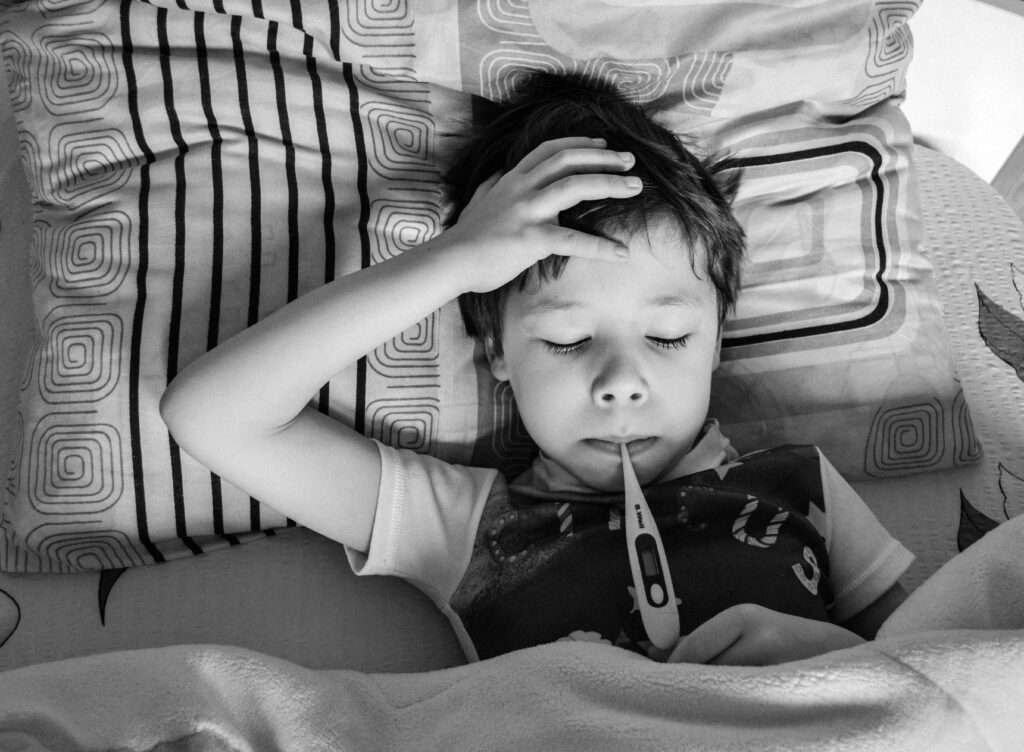
As a parent, your instincts are your most powerful tool. When your child seems “off”—maybe they’re unusually fussy, their cheeks look flushed, or they’re shivering under a blanket—the first thing you likely do is reach out and press the back of your hand against their forehead. It’s a ritual passed down through generations, a quick check to see if “the heat” is there.
However, while your touch is a wonderful source of comfort, it is a remarkably poor diagnostic tool. If you are relying solely on your hand to determine whether your child has a fever, you might be missing critical information or, conversely, causing yourself unnecessary panic.
Here is why it’s time to retire the “hand test” and what you should be doing instead to keep your little one safe.
The Science of Thermal Perception (and Why It Fails)
The human hand is designed for sensation, not measurement. When you touch your child’s skin, your brain isn’t recording a numerical value; it is performing a comparison.
Your perception of “hot” is entirely dependent on your own body temperature at that moment. If you have just come in from a cold walk or finished washing dishes in cool water, your child’s perfectly normal skin will feel burning hot to you. If you have a slight chill yourself, a child with a genuine fever might feel “just fine.”
Furthermore, skin temperature fluctuates based on the environment. A child who has been running around or sitting near a heater will have warm skin, but their core body temperature—the internal heat of the organs—may be completely normal. A fever is defined by that internal core, not the surface of the skin.
What is a Fever, Really?
To understand why precision matters, we have to look at what a fever actually is. A fever isn’t a disease in itself; it’s a defense mechanism. When the immune system detects an invader, like a virus or bacteria, it sends a signal to the hypothalamus (the body’s thermostat) to turn up the heat. This higher temperature makes it harder for germs to replicate and helps the body’s “soldiers” work more efficiently
Because a fever is an active biological process, knowing the exact degree is vital. Pediatricians generally define a fever as a rectal or core temperature of 38°C (100.4°F) or higher. A reading of 37.8°C is vastly different from 39.5°C in terms of how a doctor might advise you to treat it, yet to the human hand, both will simply feel “warm.”
The Danger of the “False Negative”
The biggest risk of using your hand isn’t necessarily overreacting—it’s underreacting. Certain types of illnesses can cause a “centralized” fever where the body’s core is very hot, but the extremities (hands and feet) or even the forehead feel cool due to poor circulation or the body’s attempt to regulate heat.
By relying on touch, you might assume your child is fine and delay necessary care. This is especially dangerous in infants under three months old, where even a slight elevation in temperature can be a sign of a serious underlying infection that requires immediate medical attention.
Choosing the Right Tools
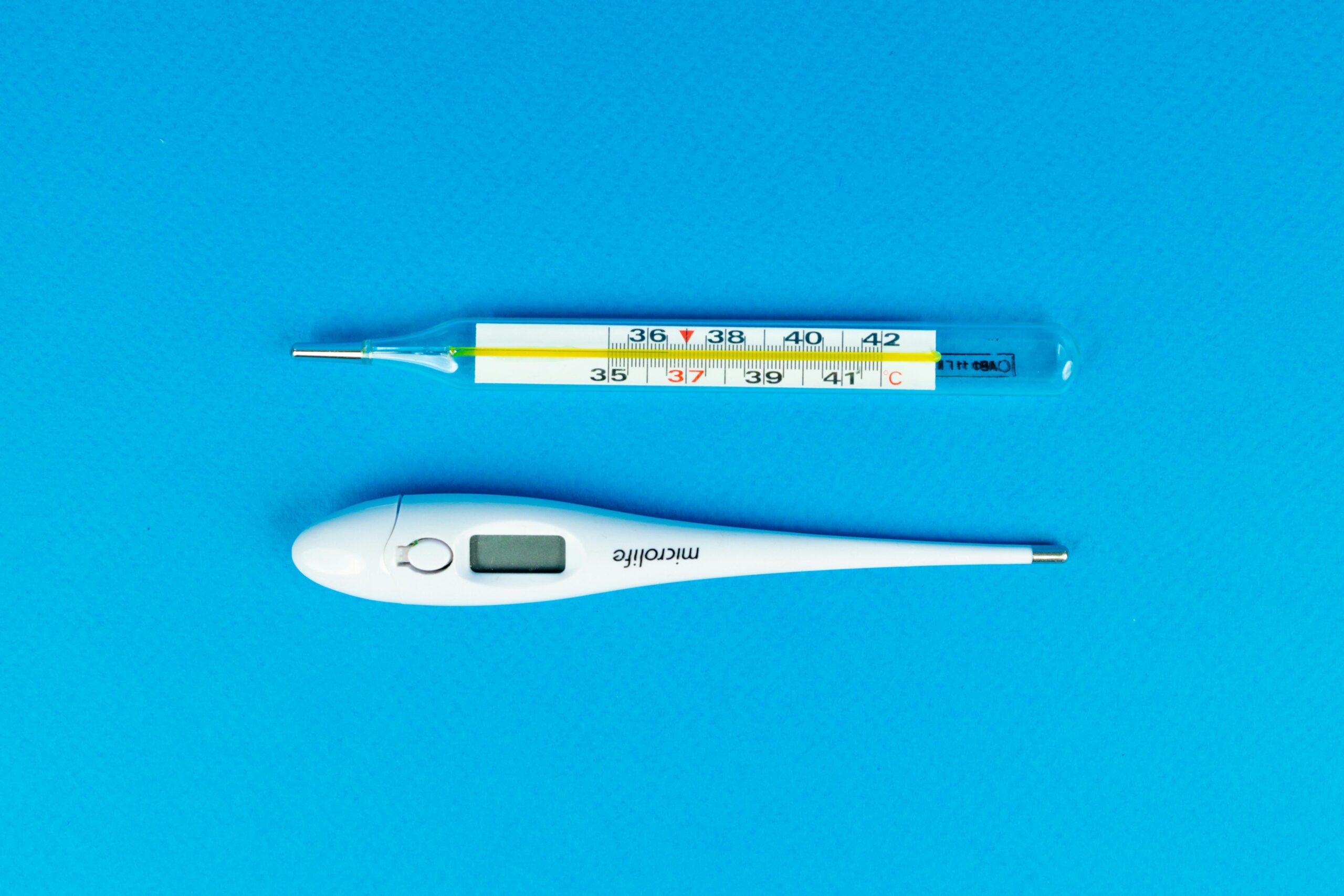
If the hand is out, what’s in? The modern medicine cabinet should have at least one reliable digital thermometer. Not all methods are created equal, though:
- Rectal Thermometers: For infants and toddlers under age three, this is the gold standard. It provides the most accurate reflection of core body temperature.
- Temporal (Forehead) Scanners: These are convenient and non-invasive, but they can be sensitive to sweat or room temperature. They are much more accurate than a hand, but less so than a rectal or oral reading.
- Tympanic (Ear) Thermometers: Great for older children, but if there is too much earwax or the probe isn’t angled correctly, you’ll get a false reading.
- Oral Thermometers: Best for children old enough to hold the probe under their tongue for the duration of the beep without biting it.
Note: Always avoid old-fashioned glass mercury thermometers. They are a breakage risk and the mercury inside is toxic.
Beyond the Number: Looking at the Child
While the number on the thermometer is important, it is only one piece of the puzzle. As you move away from the “hand test,” start focusing on clinical signs of illness. A child with a 38.5°C fever who is playing, drinking fluids, and acting like themselves is often less of a concern than a child with a 37.9°C temperature who is lethargic, won’t drink, or is having trouble breathing.
Watch for these “Red Flags” regardless of the temperature:
- Inconsolable crying or extreme irritability.
- Dehydration (dry mouth, fewer wet diapers, no tears when crying).
- A stiff neck or a severe headache.
- An unexplained rash.
- Difficulty waking up.
How to Manage a Fever at Home
If the thermometer confirms a fever and your child is uncomfortable, your goal isn’t necessarily to “break” the fever immediately, but to make the child comfortable while their immune system does its work.
- Hydration is King: Fevers lead to sweating and faster breathing, both of which deplete fluids. Offer water, electrolyte solutions, or diluted fruit juice frequently.
- Light Clothing: Don’t bundle a feverish child in heavy blankets; this can trap heat and push the temperature higher. Use a single light layer.
- Lukewarm Sponging: A lukewarm (not cold!) bath can help cool the skin, but stop if the child starts to shiver. Shivering actually raises internal body temperature.
- Medication: If your child is distressed, consult your pediatrician about appropriate doses of acetaminophen or ibuprofen. Never give aspirin to a child, as it is linked to a rare but serious condition called Reye’s Syndrome.
Conclusion
Your hands are for hugging, rocking, and soothing your child through the discomfort of being sick. They are perfect for providing the “TLC” that helps a child heal. But when it comes to medical data, leave the job to the tools designed for it.
The next time you suspect your child is warm, skip the forehead feel. Reach for the thermometer, get a real number, and use that information to make the best possible decisions for your child’s health. Precision isn’t just about science—it’s about the peace of mind that comes from knowing exactly what your child needs.