

Managing PCOS in Nigeria: The Best Local Foods to Stabilize Insulin Resistance
Polycystic Ovary Syndrome (PCOS) is a hormonal disorder that affects millions of women globally, and Nigerian women are far from exempt. While it is often discussed in whispers or mistaken purely as a fertility issue, the root mechanics of PCOS run much deeper—right down to how your body processes energy.
At the core of nearly 70% of PCOS cases is a condition known as insulin resistance.
When you have insulin resistance, your body’s cells become stubborn. They ignore insulin, the hormone responsible for knocking on cell doors to let glucose (sugar) in for energy. Because the glucose stays trapped in the bloodstream, your pancreas pumps out even more insulin to force the doors open. High levels of insulin do something highly problematic in women: they signal the ovaries to produce excess testosterone. This hormonal cascade triggers the classic symptoms of PCOS—stubborn weight gain (particularly around the abdomen), irregular periods, cystic acne, hirsutism (excess facial and body hair), and severe energy crashes.
The good news? You do not need expensive, imported superfoods or fancy Western meal plans to manage this. The ultimate toolkit for stabilizing your blood sugar and reversing insulin resistance can be found right in your local Nigerian market.
By shifting away from highly processed, refined carbohydrates and embracing whole, nutrient-dense Nigerian staples, you can take control of your hormones naturally.
The Golden Rule of Eating for PCOS
To beat insulin resistance, your dietary strategy must focus on two things: The Glycemic Index (GI) and Complex Carbohydrates.
Refined foods like white bread, instant noodles, white rice, and heavily pounded tubers spike blood sugar rapidly, forcing an insulin surge. On the flip side, foods with a low or medium glycemic index break down slowly, releasing glucose gradually into the bloodstream and keeping insulin levels steady.
Here are the best, readily available Nigerian foods to help you stabilize insulin resistance and manage PCOS effectively.
1. Swallow Alternatives: Ditch White Fufu for Nutrient-Dense Options
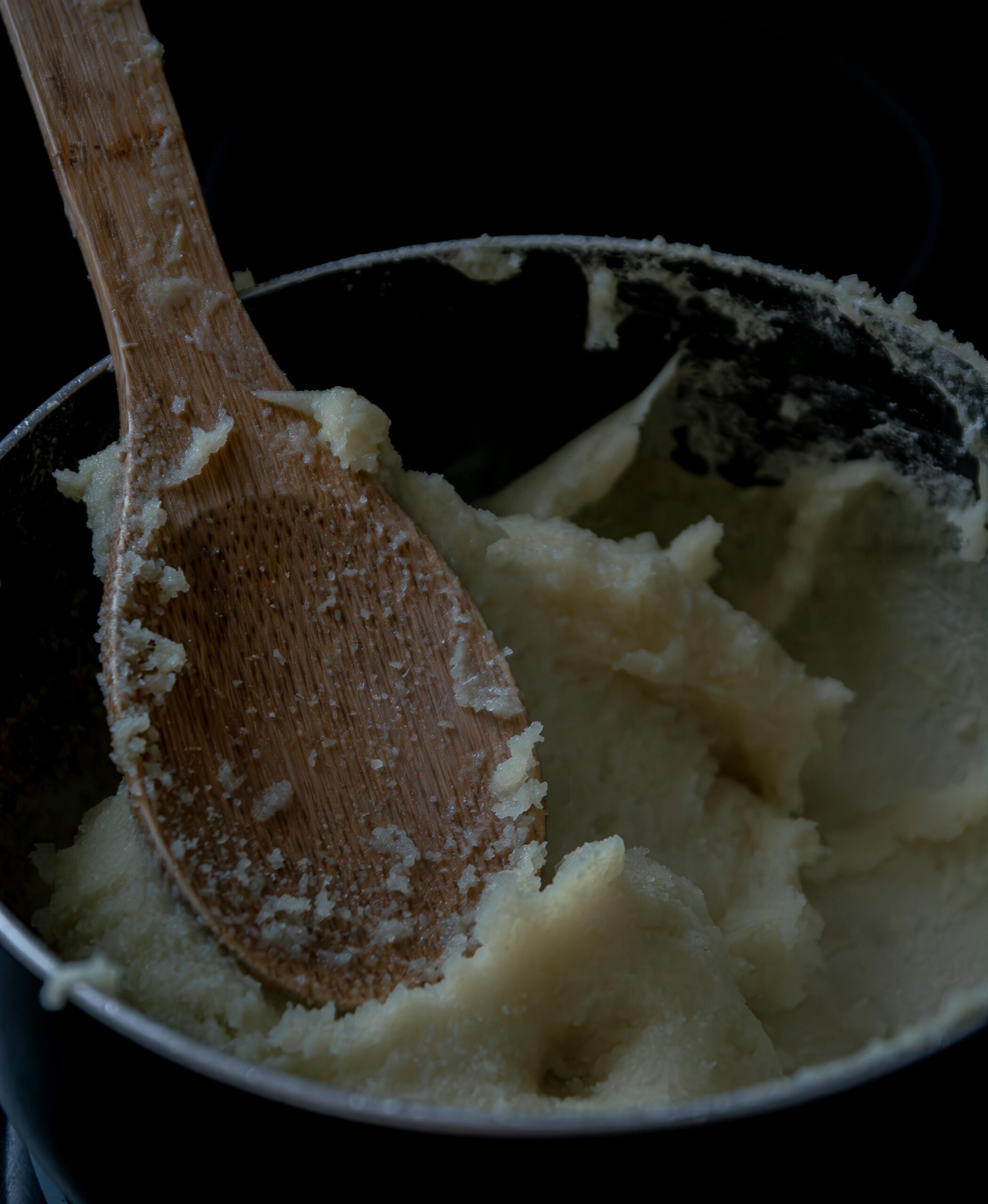
The traditional Nigerian diet relies heavily on heavy, starchy “swallows.” While delicious, staples like white garri, processed fufu, and pounded yam are rapidly digested and can wreak havoc on insulin levels. You don’t have to give up swallow entirely; you just need to swap them for low-GI alternatives.
- Unripe Plantain Amala / Flour: Unripe plantain is rich in resistant starch. Unlike regular starch, resistant starch acts more like dietary fiber, passing through the digestive system largely unchanged. This means it doesn’t cause a massive blood sugar spike and actually improves insulin sensitivity over time.
- Acha (Fonio) Swallow: Acha is an ancient grain grown predominantly in Northern Nigeria. It is exceptionally low on the glycemic index, high in protein, and packed with sulfur-containing amino acids that support liver detoxification—a crucial process for clearing excess male hormones out of your system.
- Guinea Corn (Sorghum) Swallow: Rich in complex carbohydrates and powerful antioxidants, whole-grain sorghum digest slowly, providing sustained energy without forcing your pancreas into overdrive.
2. Whole Grains and Legumes: Your Ultimate Blood Sugar Stabilizers
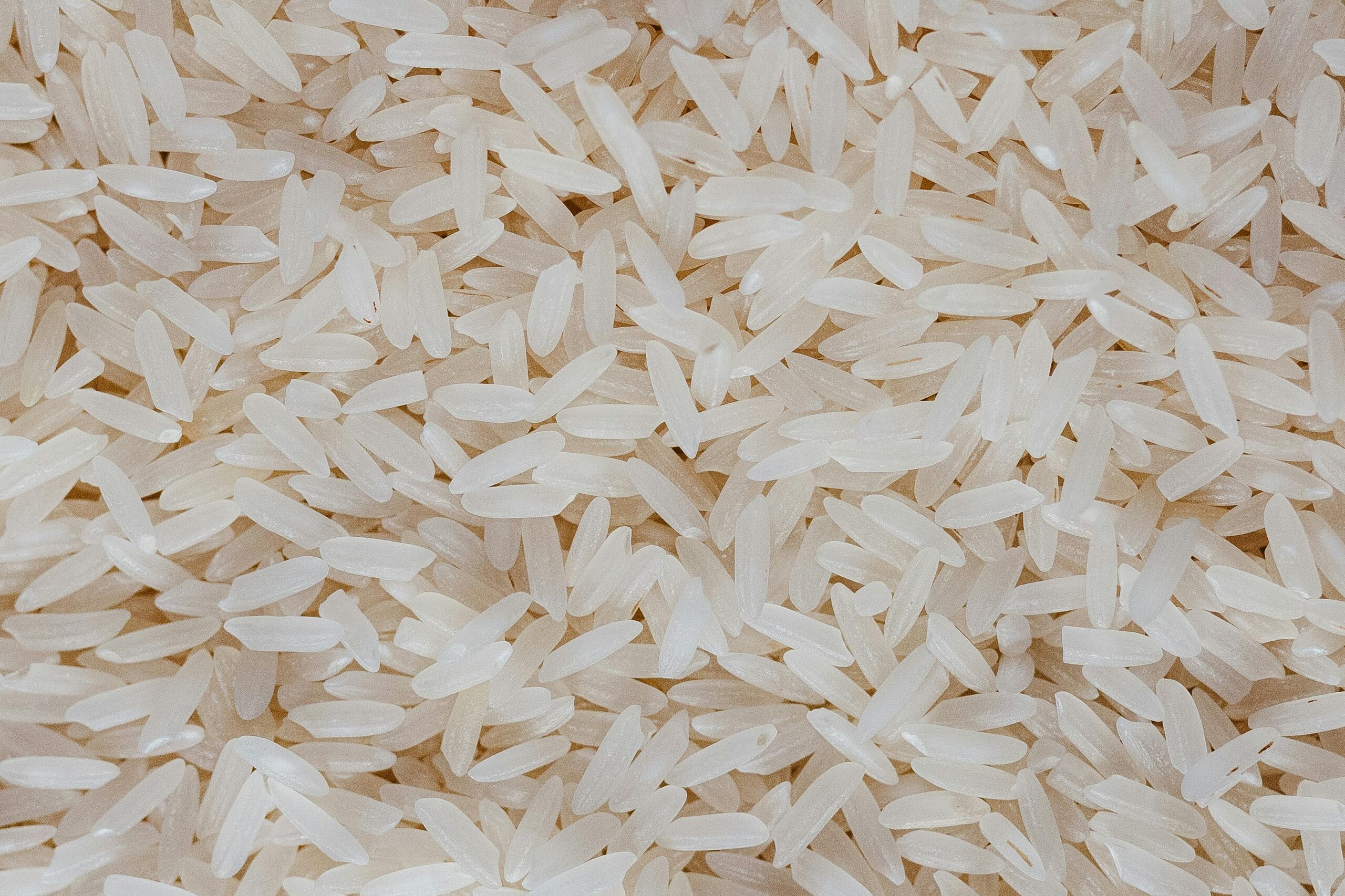
Beans and local grains are the unsung heroes of hormonal balance. They combine complex carbohydrates with high protein and soluble fiber, creating a perfect time-release formula for glucose.
- Brown Beans and Oloyin (Honey Beans): Whether eaten as boiled beans, homemade Moin-Moin (steamed bean pudding), or Akara (bean cakes, preferably shallow-fried in healthy oils), Nigerian beans are incredible for PCOS. The high fiber content slows gastric emptying, keeping you full for hours and curbing the intense sugar cravings that often plague women with insulin resistance.
- Local Ofada or Brown Rice: Highly polished white rice has had its fiber and germ stripped away. Ofada rice, however, retains its outer bran layer. It is packed with B vitamins, magnesium (a mineral critical for insulin signaling), and fiber that keeps your metabolic health on track.
3. Local Vegetables and High-Fiber Soups

Nigerian soups are highly versatile medicine bowls, provided they aren’t swimming in excessive, low-quality palm oil. Green leafy vegetables are rich in folate, vitamin E, and magnesium, all of which combat the chronic, low-grade inflammation associated with PCOS.
- Efo Riro, Afang, and Edikang Ikong: Soups packed with Shoko, Tete (African spinach), Waterleaf, and Uziza are excellent. The sheer volume of fiber stabilizes digestion, while the antioxidants protect your cells from oxidative stress.
- Bitterleaf Soup (Ofe Onugbu): Bitterleaf is traditionally revered for its medicinal properties. Studies show it has natural hypoglycemic (blood-sugar-lowering) effects, helping to naturally enhance insulin sensitivity.
- Okra Soup: Okra is a magical vegetable for metabolic health. The slimy mucilage inside okra helps trap glucose in the digestive tract, slowing down its absorption into the bloodstream.
4. Power Pack Your Proteins and Healthy Fats
Protein does not trigger insulin release the way carbohydrates do, and healthy fats are essential for the production and balance of your hormones.
- Locally Reared Layers and Mackerel (Titus): Omega-3 fatty acids are critical for reducing inflammation and improving the fluidity of cell membranes so they can accept insulin more easily. Cold-water fish like Titus, sardines, and local wild-caught fish should be dietary staples.
- Avocados (Pear): Local avocados are rich in monounsaturated fats and potassium, which help improve insulin sensitivity and keep mid-day hunger pangs at bay.
- Garden Eggs: Low in calories but high in fiber and polyphenols, garden eggs make the perfect low-GI snack or base for a rich, healthy sauce.
Crafting Your PCOS-Friendly Nigerian Meal Plate
Managing insulin resistance is not just about what you eat, but how you structure your plate. Avoid plates dominated by carbohydrates with a tiny speck of protein on the side. Instead, aim for the ideal PCOS plate layout:
- Half the plate: Fill it with non-starchy vegetables or vegetable soups (Efo Riro, Okra, Steamed Cabbage).
- One-quarter of the plate: Dedicate this to clean protein (Grilled Titus fish, goat meat, boiled eggs, chicken).
- One-quarter of the plate: Reserve this small section for your complex carbs (Ofada rice, unripe plantain, or Acha).
Always try to eat your vegetables and protein before touching the carbohydrates on your plate. This simple sequencing coats your digestive tract, significantly blunting the blood sugar spike of the meal.
Conclusion: Consistency Over Perfection
Reversing insulin resistance and managing PCOS is a marathon, not a sprint. You do not need to starve yourself or completely abandon Nigerian culinary culture. By deliberately choosing unrefined, whole, local foods and pairing them mindfully, you can lower your insulin levels, clear your skin, regulate your menstrual cycle, and reclaim control over your body.
Always consult with a healthcare professional or a registered dietitian specialized in metabolic health before making drastic changes to your diet, especially if you are currently taking medication like Metformin.