
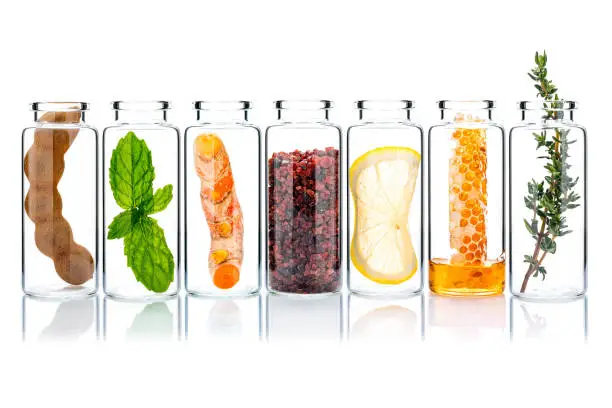
5 Natural GLP-1 Boosters: How to Suppress Appetite Without a Prescription
By now, you’ve likely heard of “the shot.” GLP-1 receptor agonists like Ozempic and Wegovy have completely transformed the conversation around weight loss, turning a complex biological struggle into a buzzworthy headline. But while these medications are literal lifesavers for many, they aren’t the only way to tap into your body’s satiety signaling.
If you aren’t looking for a prescription but still want to quiet that “food noise” and manage your appetite, you can actually hack your own biology. Your gut naturally produces Glucagon-like peptide-1 (GLP-1) every time you eat, some foods just do a much better job of triggering it than others.
Here are five science-backed, natural ways to boost your GLP-1 levels and regain control over your hunger.
1. Dial Up the Soluble Fiber
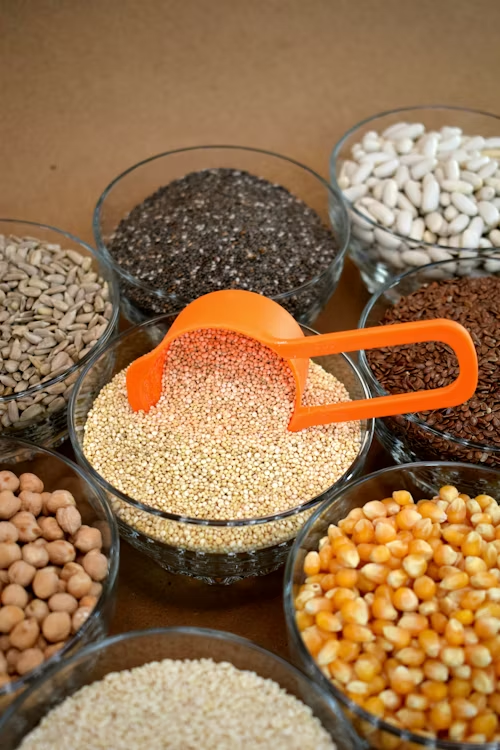
If GLP-1 had a favorite food, it would be fiber, specifically soluble fiber. When you consume fiber-rich foods, they don’t just sit there; they ferment in your colon, producing short-chain fatty acids (SCFAs) like butyrate and propionate. These SCFAs are the “green light” for your L-cells to pump out GLP-1.
- What to eat: Focus on oats, barley, beans, lentils, and flaxseeds.
- The Power Move: Try adding Glucomannan (konjac root) or Psyllium husk to your routine. These fibers expand in the gut, creating a gel-like substance that slows gastric emptying, giving you that “full” feeling for hours.
2. Prioritize Protein (The Satiety King)
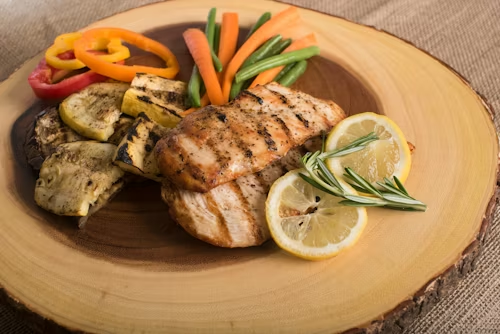
There is a reason why high-protein diets are the gold standard for weight management. Protein is the most potent macronutrient for stimulating GLP-1 secretion. When amino acids hit your small intestine, your body realizes it has “real fuel” and signals the brain to stop the search for more food.
- What to eat: Lean meats, eggs, Greek yogurt, and fatty fish like salmon.
- The Power Move: Don’t sleep on Whey protein. Research suggests that a whey protein shake taken before a meal can significantly spike GLP-1 levels, helping you eat less during the actual meal without feeling deprived.
3. Embrace Healthy Fats (MUFAs and PUFAs)
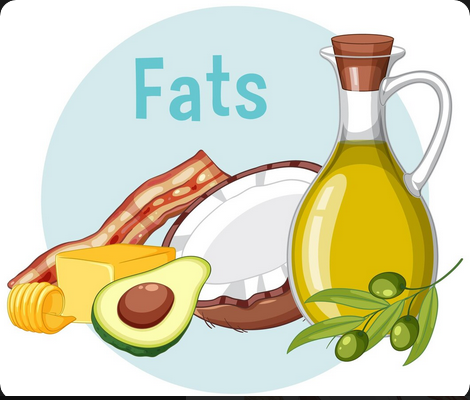
Fat has been unfairly demonized for decades, but when it comes to GLP-1, fat is your friend—specifically Monounsaturated Fatty Acids (MUFAs) and Omega-3s. These fats stimulate the release of cholecystokinin (CCK) and GLP-1, which tell your stomach to slow down the emptying process.
- What to eat: Extra virgin olive oil, avocados, walnuts, and chia seeds.
- The Power Move: Swap refined vegetable oils for olive oil. A drizzle of high-quality olive oil on your veggies doesn’t just add flavor; it acts as a biological trigger for fullness.
4. Feed Your Microbiome with Fermented Foods
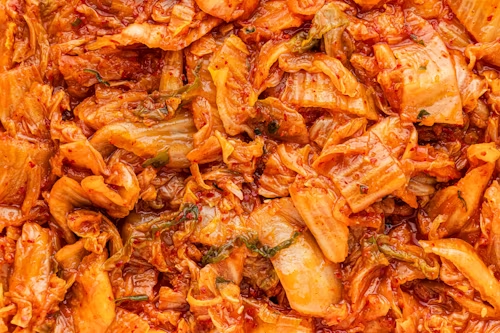
Your gut bacteria are the middle-men in the GLP-1 process. A diverse microbiome is more efficient at producing the fatty acids that trigger GLP-1 release. If your gut is “sluggish” or out of balance, your satiety signals might be muted.
- What to eat: Kimchi, sauerkraut, kefir, and kombucha.
- The Power Move: Incorporate Akkermansia muciniphila, a specific strain of bacteria found in many fermented foods (and available as a probiotic). This specific microbe is strongly linked to improved GLP-1 sensitivity and metabolic health.
5. Harness Polyphenols and Bitter Compounds
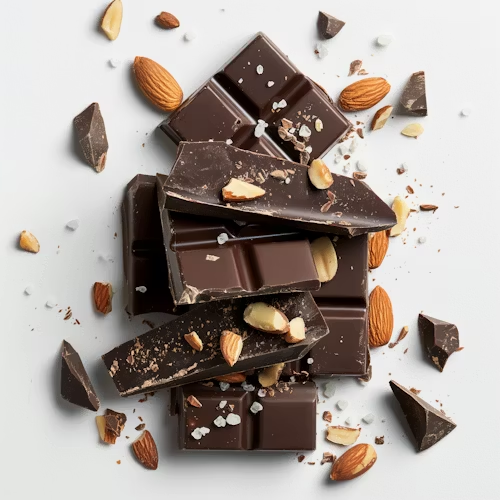
Plants produce compounds called polyphenols to protect themselves, but when we eat them, they protect our metabolism. Certain polyphenols, especially those found in bitter-tasting plants, can stimulate the bitter taste receptors in your gut, which are directly linked to GLP-1 secretion.
- What to eat: Berries, dark chocolate (at least 85%), green tea, and Yerba Mate.
- The Power Move: Drink Green Tea or Yerba Mate between meals. They contain EGCG and other antioxidants that have been shown to naturally prolong the life of the GLP-1 your body already produces by inhibiting the enzyme (DPP-4) that breaks it down.
The Reality Check
While these natural boosters are incredibly effective for managing hunger, let’s be candid: they won’t mimic the “nuclear” effect of a high-dose pharmaceutical. However, they offer something a prescription can’t, a sustainable, side-effect-free way to work with your body’s natural rhythms rather than overriding them.
By focusing on fiber, protein, and healthy fats, you aren’t just “dieting” you’re optimizing your endocrine system for long-term success.