
The Green Heavyweight Title: Moringa vs. Spinach
In the world of leafy greens, we often find ourselves caught between the global superstars and the humble local heroes. For decades, Spinach has been the undisputed poster child for health, fueled by pop-culture legends (looking at you, Popeye) and its ubiquitous presence in salads and smoothies.
But a challenger has emerged from the tropical and subtropical soils: Moringa oleifera, often called the “Drumstick Tree” or the “Miracle Tree.” While spinach is a staple of the temperate kitchen, Moringa has been a lifeline in traditional medicine and local diets across Africa and Asia for centuries.
If you’re standing in a local market trying to decide which green deserves a spot in your pot, it’s time to look past the marketing and into the micronutrients. Let’s break down this botanical battle to see which vegetable truly holds the crown for the highest nutritional value.
The Contenders: A Tale of Two Greens
Spinach: The Versatile Classic
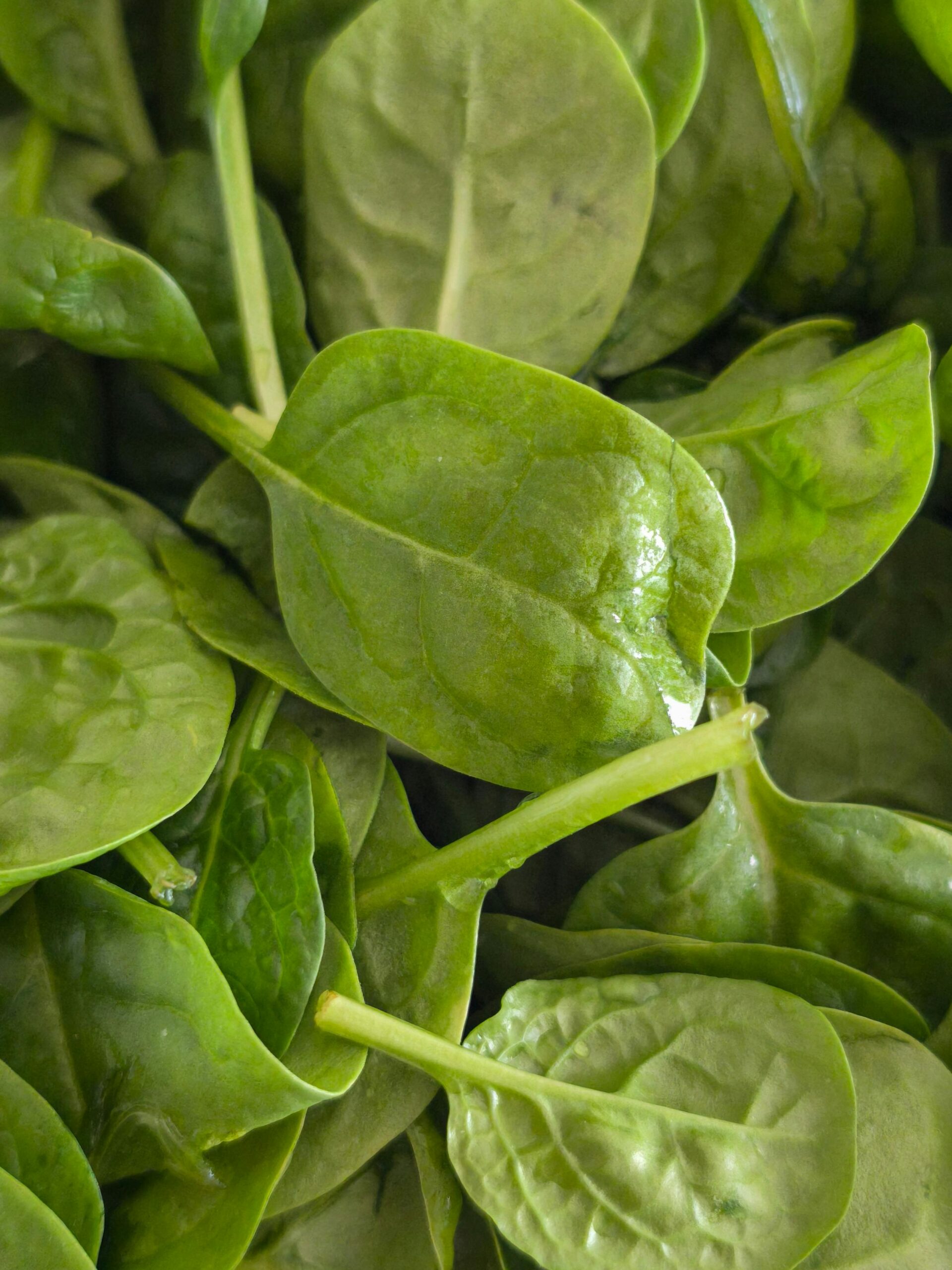
Spinach (Spinacia oleracea) is beloved for its mild flavor and tender texture. It’s a fast-growing annual plant that thrives in cooler climates. Nutritionally, it is famous for its high water content, making it a low-calorie volume filler for weight-conscious eaters.
Moringa: The Resilient Powerhouse
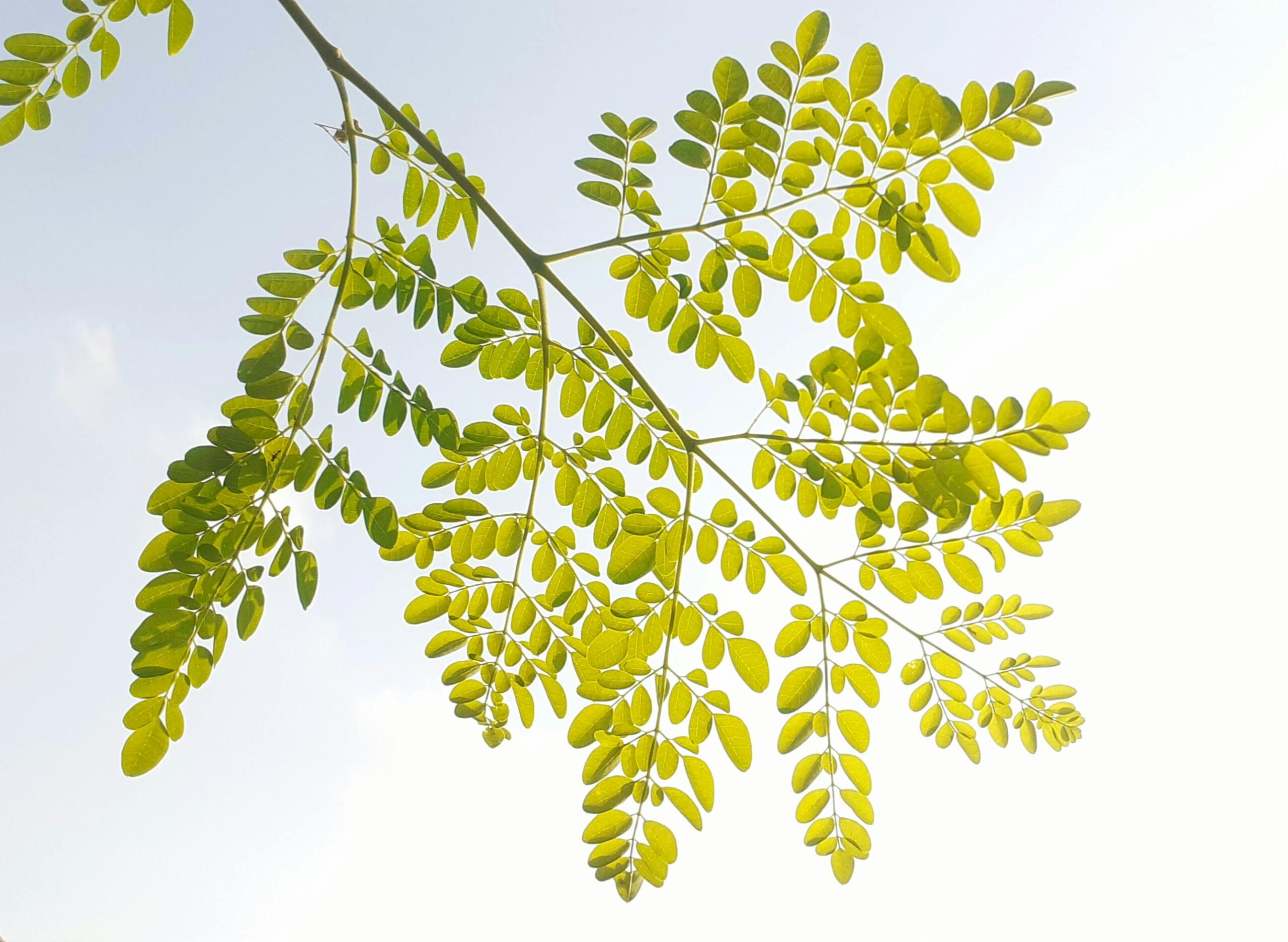
Moringa is a different beast entirely. Unlike spinach, which is a small herb, Moringa is a fast-growing tree. Every part—from the leaves to the seeds—is edible, but the leaves are where the nutritional magic happens. It is incredibly hardy, surviving in harsh, dry soils where other vegetables wither.
Head-to-Head: The Nutritional Breakdown
To understand the scale of this comparison, we have to look at the density of nutrients. While spinach is healthy, Moringa is often described as “nature’s multi-vitamin.”
1. Protein Content
Most people don’t look to leafy greens for protein, but they should.
- Spinach: Contains about 2.9 grams of protein per 100g.
- Moringa: Fresh Moringa leaves contain roughly 9.4 grams of protein per 100g.
Moringa is one of the few plants that contains all nine essential amino acids, making it a complete protein source. This is a rarity in the vegetable kingdom and a massive win for vegetarians and vegans.
2. Iron and Blood Health
Both greens are touted for their iron content, essential for preventing anemia and maintaining energy levels.
- The Spinach Catch: While spinach is high in iron, it also contains high levels of oxalates. These compounds bind to minerals, making it difficult for your body to actually absorb the iron.
- The Moringa Advantage: Moringa provides significantly more iron than spinach—some studies suggest up to three times more—and has lower oxalate levels, meaning the iron is more “bioavailable” (easier for your body to use).
3. Calcium for Bone Strength
If you thought milk was the only way to get calcium, think again.
- Spinach: Offers about 99mg of calcium per 100g.
- Moringa: Boasts a staggering 440mg per 100g.
Gram for gram, fresh Moringa leaves provide more calcium than almost any other leafy green, making it a superior choice for bone health and nerve function.
4. Vitamin C and Immunity
When it comes to fighting off a cold, Moringa takes the lead again.
- Spinach: Provides a respectable amount of Vitamin C.
- Moringa: Contains roughly seven times the Vitamin C found in oranges. It acts as a potent antioxidant, protecting cells from oxidative stress.
Beyond the Numbers: Antioxidants and Phyto-nutrients
Nutrition isn’t just about vitamins and minerals; it’s about the “hidden” compounds that fight disease.
The Power of Quercetin and Chlorogenic Acid
Moringa is packed with Quercetin, a powerful antioxidant that can help lower blood pressure, and Chlorogenic Acid, which may help moderate blood sugar levels after meals. While spinach contains its own suite of antioxidants (like lutein for eye health), Moringa’s chemical profile is more closely aligned with medicinal herbs than standard table vegetables.
Anti-Inflammatory Properties
Both vegetables help fight inflammation, but Moringa contains isothiocyanates. These are the same types of compounds found in broccoli and cabbage that have been studied for their potential anti-cancer properties. Moringa’s concentration of these compounds is notably high, providing a protective shield against chronic inflammation.
Culinary Practicality: How to Use Them
While Moringa may win the “nutrient density” trophy, spinach often wins the “convenience” award.
Cooking with Spinach
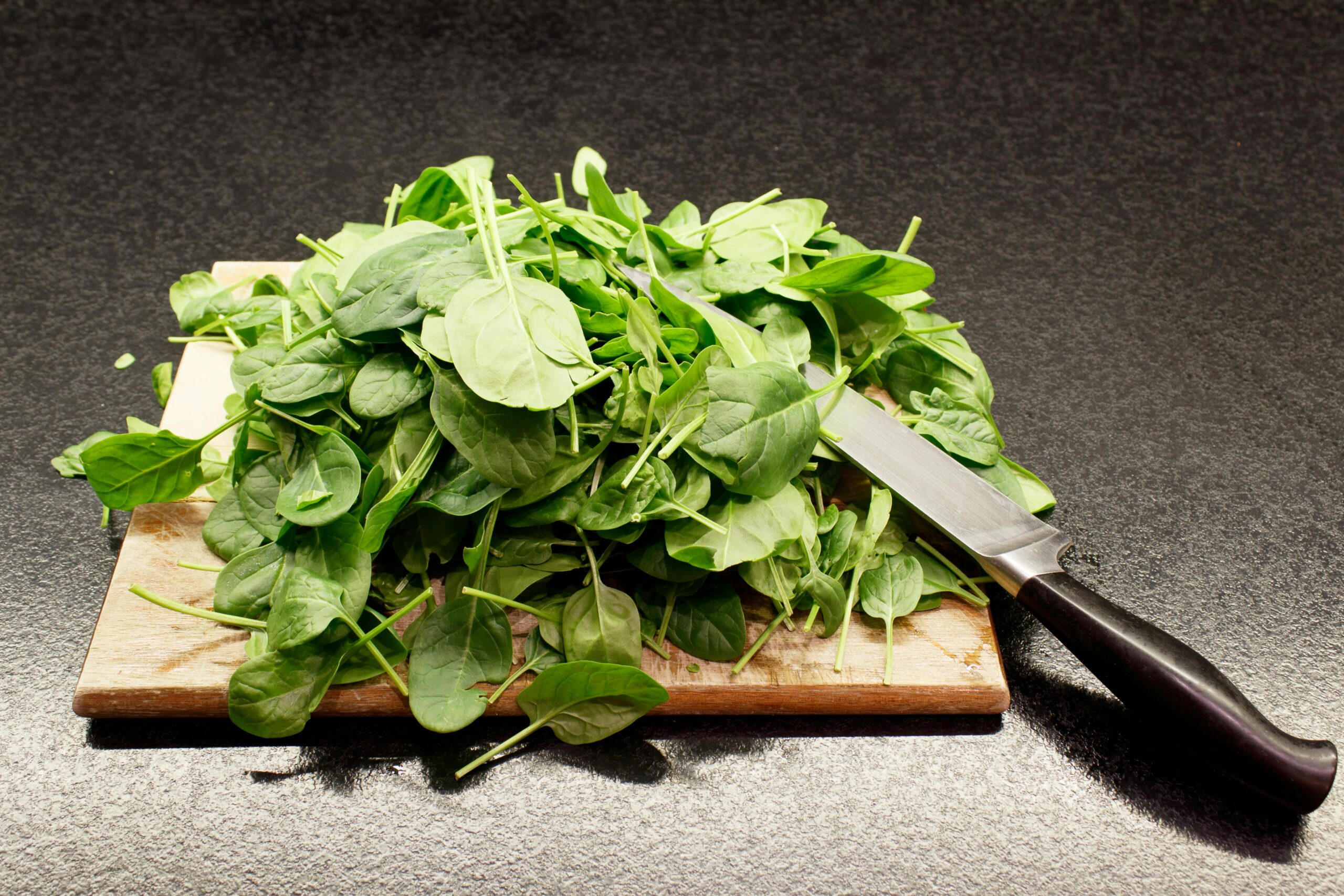
Spinach is a culinary chameleon. You can eat it raw in a salad, sauté it in two minutes with garlic, or blend it into a fruit smoothie without changing the taste. Its softness makes it easy to incorporate into almost any dish.
Cooking with Moringa
Moringa has a slightly peppery, “green” taste—similar to watercress or radish.
- Fresh Leaves: Best added to soups, stews, or dals at the very end of cooking to preserve nutrients.
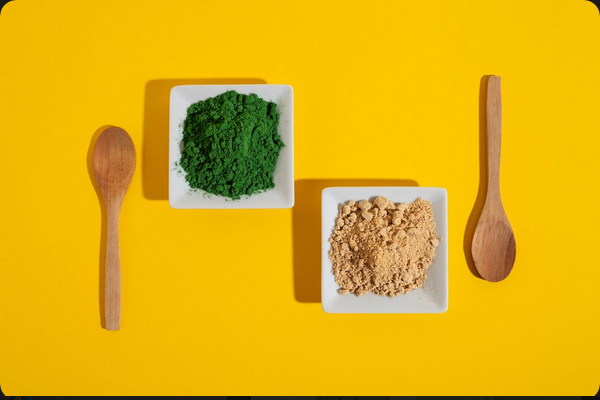
- Powdered Form: Because Moringa is so nutrient-dense, it is often dried and ground into a powder. This powder can be added to smoothies, sprinkled on oatmeal, or stirred into sauces.
Pro Tip: If you find the taste of Moringa too strong, start with small amounts. Its potency means you don’t need a giant pile of it to reap the benefits.
The Verdict: Which One Should You Choose?
If we are looking strictly at nutritional density, Moringa is the clear winner. It outperforms spinach in protein, calcium, iron, and Vitamin C. It is essentially a “superfood” in the truest sense of the word.
However, the “best” vegetable is often the one you will actually eat.
- Choose Spinach if you want a mild, easy-to-prep green for daily salads and quick meals.
- Choose Moringa if you are looking to treat a nutrient deficiency, boost your immune system, or add a powerful medicinal boost to your diet.
Ideally, you shouldn’t have to choose. In a balanced diet, there is room for both. Spinach provides the volume and fiber, while Moringa provides the concentrated micro-nutritional punch.
Conclusion
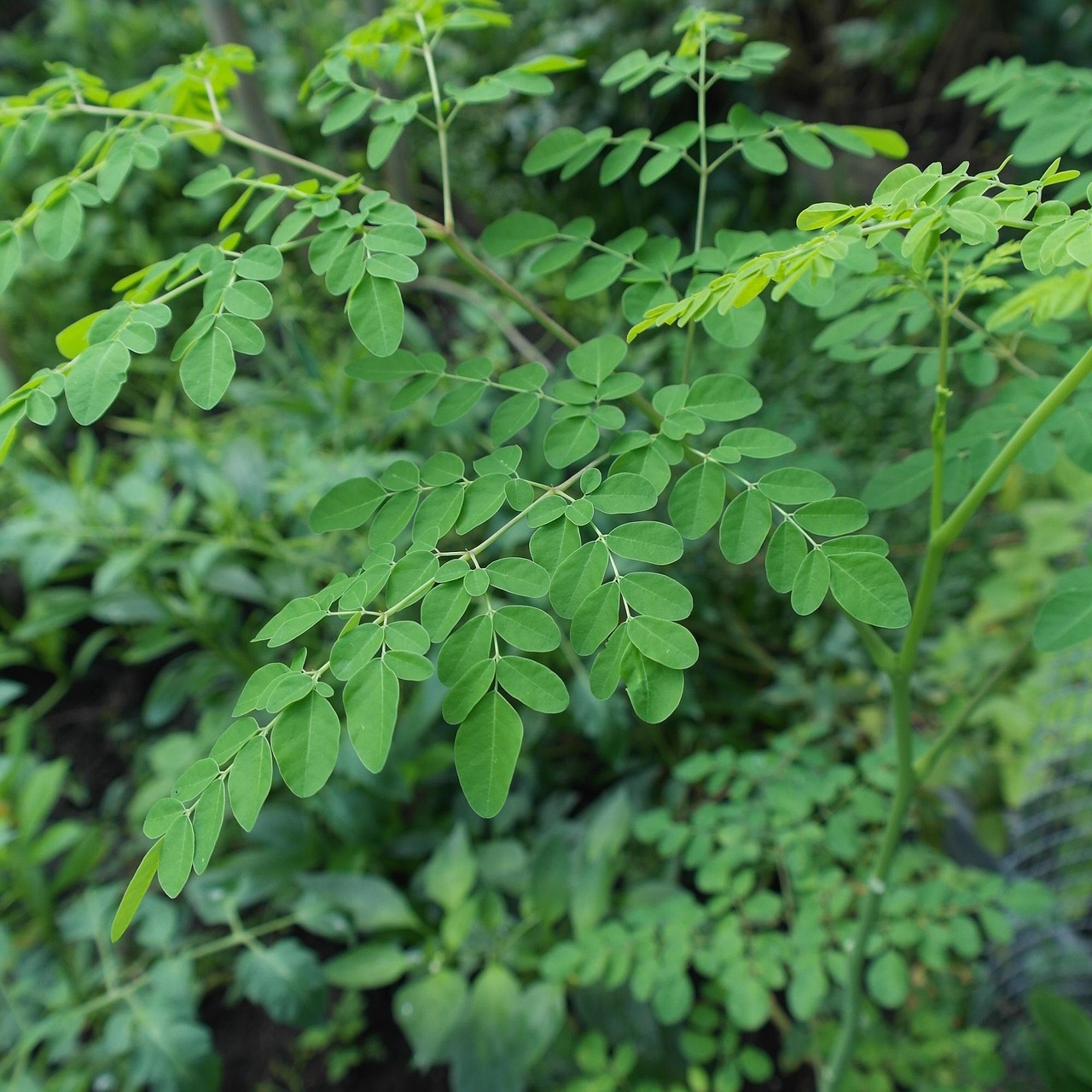
Moringa might be the “local” vegetable in many parts of the world, but its nutritional profile is world-class. While spinach will always have a seat at the table, Moringa offers a level of nourishment that is hard to beat by any standard. So, the next time you see those small, oval Moringa leaves at the market, don’t pass them by. You’re looking at one of the most nutrient-dense plants on the planet.