
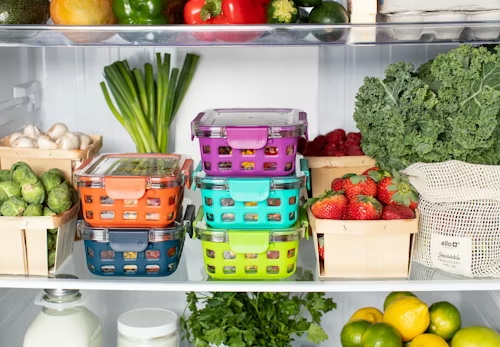
Off-the-Grid Freshness: How to Preserve Produce Without Constant Electricity
In an era where we rely heavily on the hum of the refrigerator, the prospect of a power outage or living in an area with an unstable grid can feel like a countdown to food waste. When the lights go out, the clock starts ticking on your fresh greens and ripe fruits.
However, humans have thrived for millennia without the luxury of electric cooling. Preserving the harvest is an ancient art, blending simple physics with biological chemistry. If you are looking to keep your kitchen stocked without a constant power supply, it is time to look back at traditional methods that still hold up in the modern world.
1. The Evaporative Cooling Method (The Zeer Pot)
One of the most effective “low-tech” solutions for hot, dry climates is the Zeer Pot, or a “pot-in-pot” refrigerator. This setup uses the basic principle of evaporation to pull heat away from your food.
How to Build One:
- The Materials: You need two unglazed terracotta pots (one larger than the other), clean sand, and water.
- The Setup: Place the smaller pot inside the larger one. Fill the gap between them with sand and pour water into the sand until it is fully saturated.
- The Process: Cover the top with a damp cloth. As the water evaporates from the outer surface of the large pot, it draws heat from the inner chamber, keeping the temperature significantly lower than the surrounding air.
This method works wonders for firm vegetables like carrots, cucumbers, and even leafy greens, extending their shelf life from days to weeks without a single watt of power.
2. Sun Drying: Nature’s Dehydrator
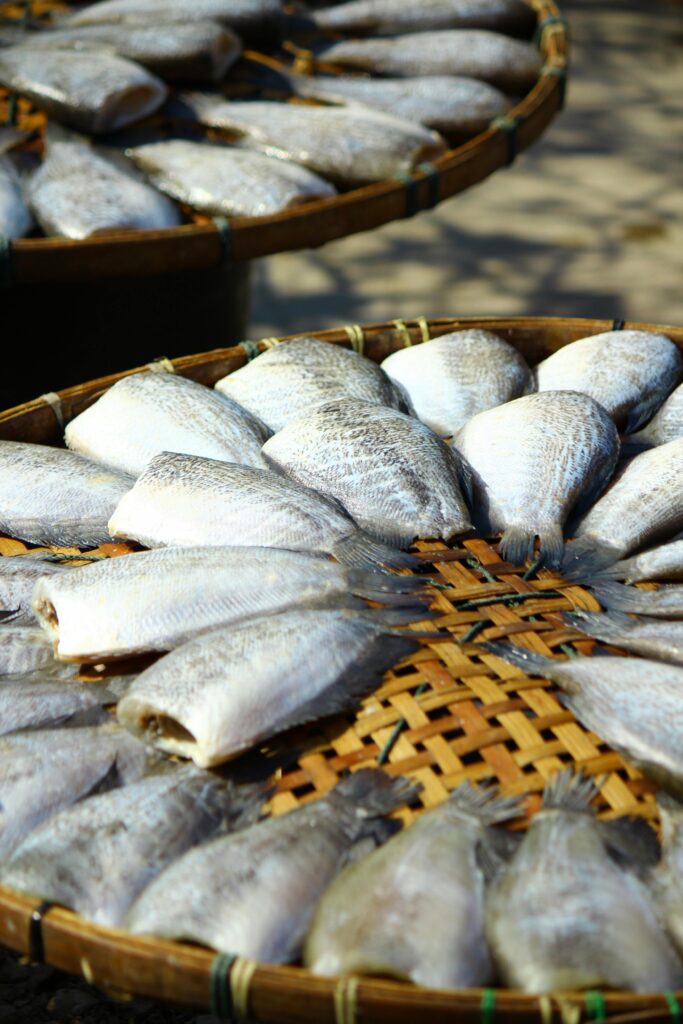
If you cannot keep the moisture in, take it all out. Dehydration is the oldest form of food preservation. By removing the water content, you stop the growth of bacteria, yeast, and mold.
Best Fruits and Veggies for Drying:
- Fruits: Mangoes, bananas, apples, and tomatoes (technically a fruit!).
- Vegetables: Peppers, onions, and herbs like Moringa or scent leaves.
The Technique:
Slice your produce thinly and uniformly. Lay them on a clean mesh screen or a drying rack to allow airflow from both top and bottom. Cover with a thin netting to keep insects away and place them in direct sunlight. In high-heat areas, most produce will be “leather-dry” within 2 to 3 days. Once dried, store them in airtight containers in a cool, dark place.
3. Root Cellaring and “Zero-Energy” Storage
Not every vegetable wants to be cold; some just want to be dark and slightly damp. This is where the concept of a root cellar comes in. If you don’t have a basement, you can simulate this with a “clamp.”
The “Clamp” Method:
For hearty vegetables like yams, potatoes, or onions, you can create a storage pit.
- Dig a shallow hole in a shaded, well-drained area.
- Line the bottom with dry straw or sawdust.
- Layer your vegetables, ensuring they aren’t touching each other too closely.
- Cover with more straw and a layer of soil.
This insulation protects the produce from temperature spikes and keeps them dormant, preventing sprouting and rot for months.
4. Fermentation: The Living Preservation
Fermentation doesn’t just preserve food; it makes it healthier by adding probiotics. Unlike canning, which requires high heat, fermentation can happen at room temperature in a shaded corner of your kitchen.
The Brine Method:
Vegetables like cabbage, carrots, and cucumbers can be submerged in a salt-water brine. The salt inhibits “bad” bacteria while allowing Lactobacillus to thrive. This acidifies the environment, naturally preserving the vegetables. A jar of fermented carrots can stay edible for a long time even in a warm kitchen, provided they remain submerged in their liquid.
5. Oil and Ash: Traditional African Techniques
In many parts of West Africa, traditional methods have been perfected over generations to handle high humidity and heat.
Ash Coating:
Wood ash is an excellent alkaline preservative. Coating tomatoes or citrus fruits in clean, dry wood ash can prevent moisture loss and repel insects. This creates a physical barrier that slows down the ripening process.
Oil Submerging:
For herbs and certain peppers, chopping them and submerging them in a jar of vegetable oil creates an anaerobic environment. Since oxygen cannot reach the produce, the oxidation process stops. Note: This is best for short-to-medium term storage and should be kept in the coolest part of the house.
Summary Table: Which Method for Which Produce?
| Method | Best For | Storage Duration |
| Zeer Pot | Leafy greens, Cucumbers, Tomatoes | 1–2 Weeks |
| Sun Drying | Mangoes, Peppers, Tomatoes, Herbs | 6–12 Months |
| Root Cellar | Yams, Potatoes, Onions, Garlic | 3–6 Months |
| Fermentation | Cabbage, Carrots, Radishes | 2–4 Months |
Conclusion
Preserving food without electricity is about understanding the environment. Whether you are using the wind to evaporate water in a Zeer pot or using the sun to bake out moisture, these methods empower you to take control of your food security. You don’t need a high-tech kitchen to keep your local vegetables fresh; you just need a little bit of ancient wisdom and the right materials.
This is very useful, especially in regions with irregular power supply. Traditional preservation methods are not only practical but also important for maintaining food safety and reducing waste.